
Sri Lanka is entering a new phase of mobility, where efficiency, sustainability, and cost control are becoming essential for both individuals and businesses. Traditional fuel-based transportation is no longer the most practical solution, especially for daily riders and delivery operations. This is where Moto Go Technology is changing the game.
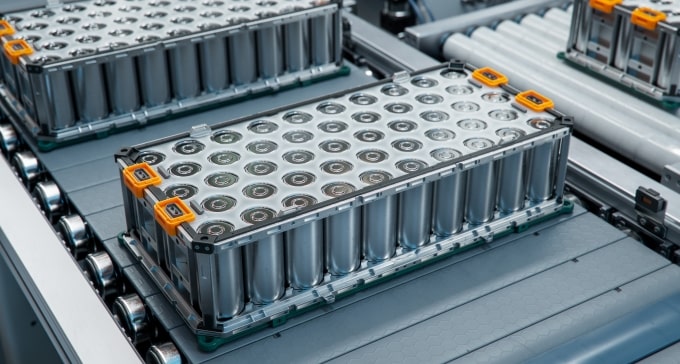
Battery swapping is emerging as a smarter alternative to conventional charging. Instead of waiting hours to recharge, riders can simply swap their depleted battery for a fully charged one in minutes. This approach eliminates downtime and keeps vehicles moving, making it ideal for delivery riders, fleet operators, and commuters.
Moto Go Technology is building a connected ecosystem that supports this transition. With strategically placed swapping stations, riders can access power whenever they need it. This not only improves convenience but also ensures consistent performance throughout the day.
Another key advantage is cost efficiency. By removing the need for battery ownership and reducing maintenance concerns, users can significantly lower their operating expenses. Businesses, especially those managing fleets, benefit from predictable costs and higher productivity.
Beyond convenience and savings, the environmental impact is significant. Reducing reliance on fossil fuels contributes to cleaner air and a more sustainable future for Sri Lanka. Moto Go Technology is not just offering a service—it is building infrastructure for long-term change.
As urban mobility continues to evolve, solutions like battery swapping will play a critical role. Moto Go Technology is positioning itself at the center of this transformation, creating a smarter, faster, and greener way to power everyday rides.